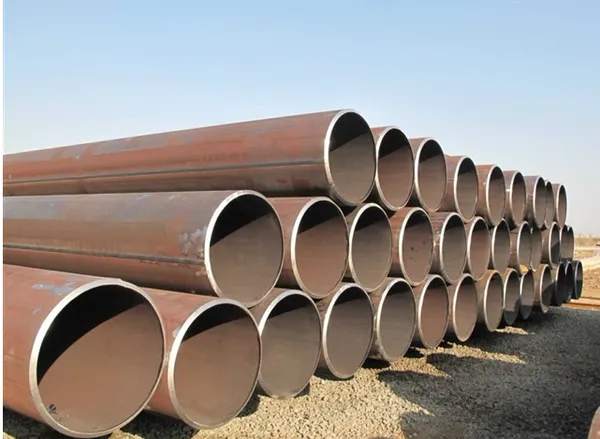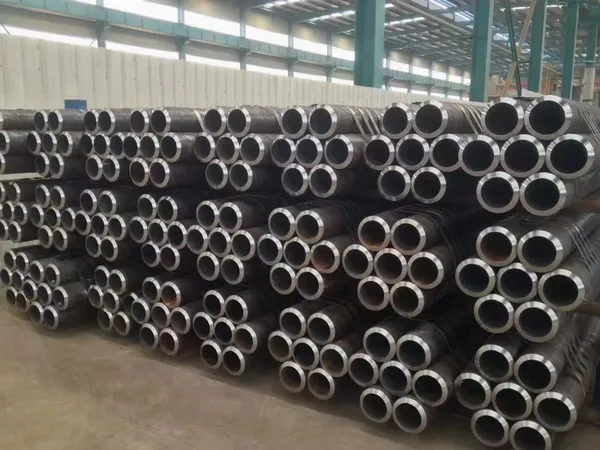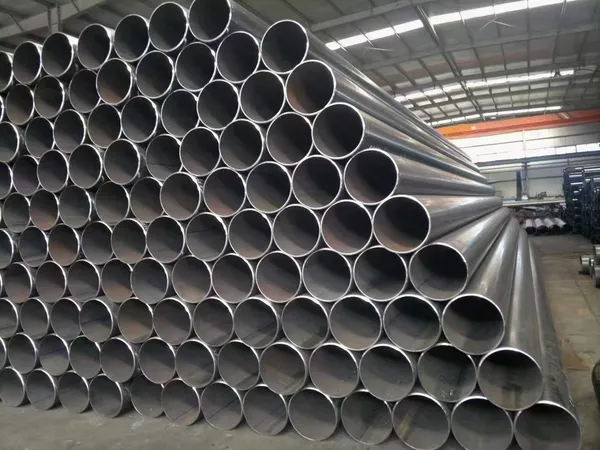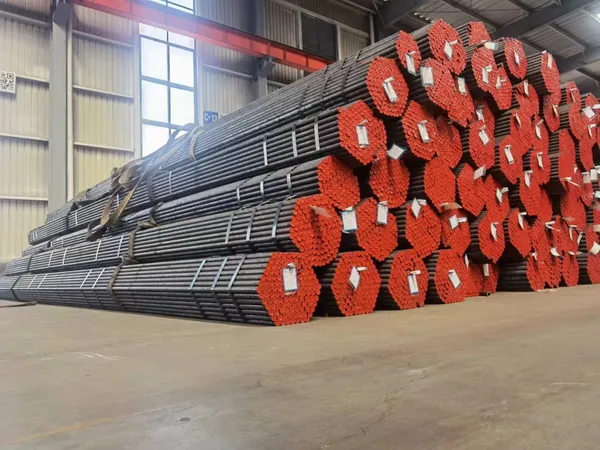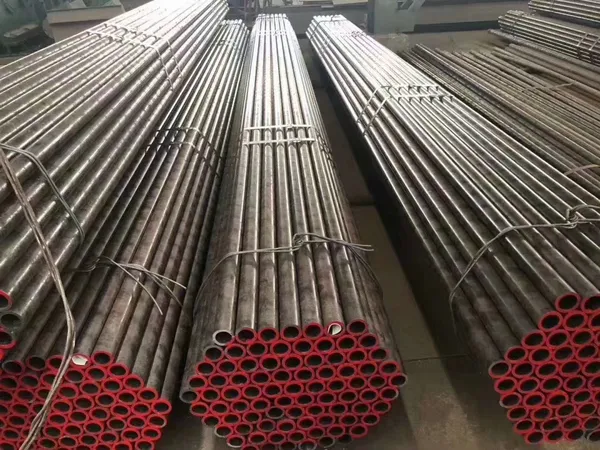
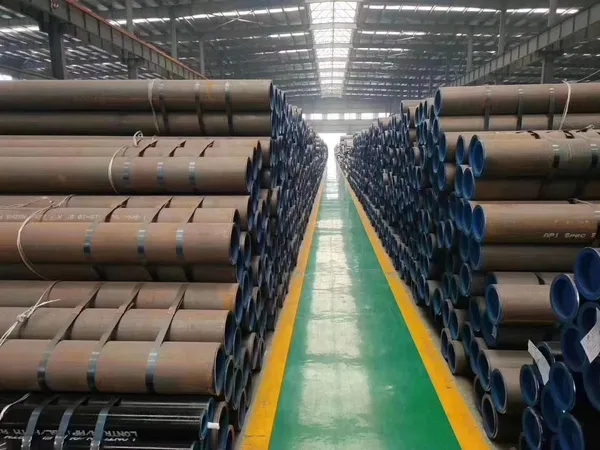
ASTM A335 P91 (also known as ASME SA335 P91) is a high-performance seamless ferritic alloy-steel pipe engineered for high-temperature and high-pressure service. Often referred to as “9 Cr 1 Mo” steel, it is a staple in power generation and petrochemical industries due to its exceptional creep strength and thermal stability.
Also conforms to ASME SA335 Grade P91.
Designated as UNS K91560.
Standard and Grades: ASTM A335 / ASME SA335 Grade P91
Material types: Chrome Moly Alloy
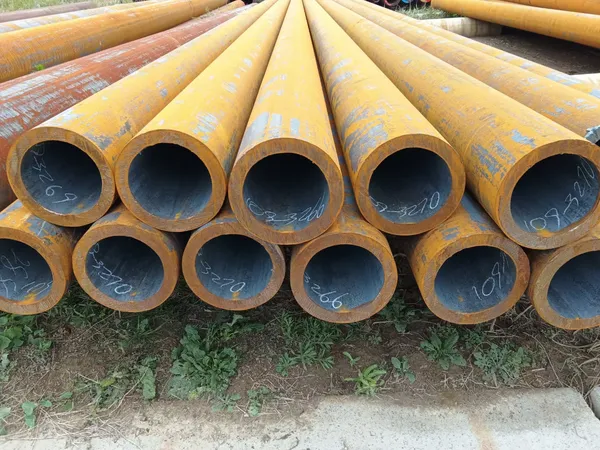
Manufacturing types: Seamless hot rolled
Sizes: 1/2” to 40” DN25 to DN1000
Wall thickness: SCH 40, SCH STD, SCH 80, SCH XS, SCH 160,ect
Length: 6 meters, 12 meters or customized.
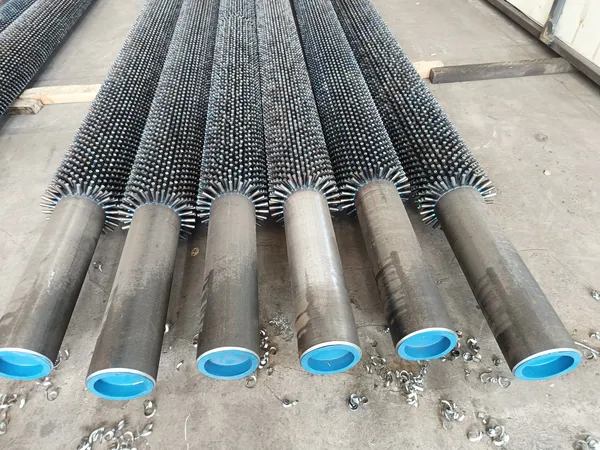
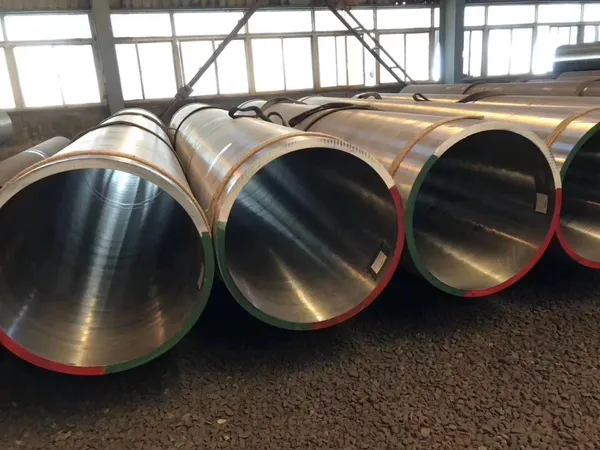
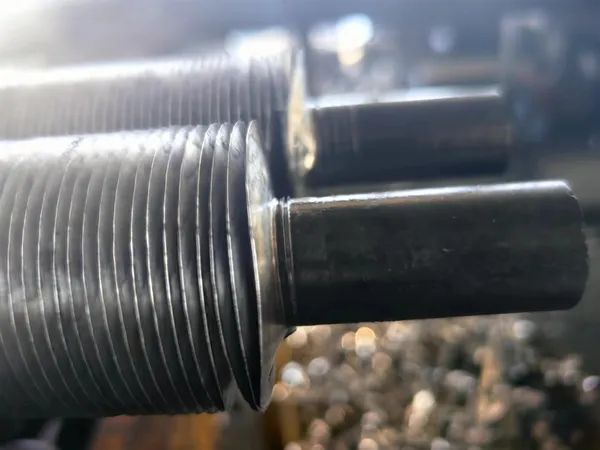
Surface treatment: Polished, Varnished, 3LPE, FBE,FINNED
Ends: PE (Plain End), BE (Beveled Ends)
Key Technical Specifications (Standards):
Kompozisyon: Primarily consists of 9% Chromium (for oxidation resistance) and 1% Molybdenum (for creep strength), with additions of Vanadium and Nitrogen to enhance mechanical properties.
İmalat: Seamless, either hot-finished or cold-drawn.
Mechanical Properties:
Tensile Strength: Minimum 585 MPa (85 ksi).
Yield Strength: Minimum 415 MPa (60 ksi).
Hardness: Typically ranges from 190 to 250 HBW.
Heat Treatment: Critical for achieving its properties; it involves normalizing (approx. 1050°C) and tempering (approx. 760°C).
Operating Range: Designed for continuous operation at temperatures up to 600°C–650°C.
Performance Advantages:
High Creep Strength: Classified as a Creep Strength Enhanced Ferritic (CSEF) steel, it maintains structural integrity under prolonged high-temperature stress.
Reduced Wall Thickness: Compared to older grades like P22, P91’s higher strength allows for a wall thickness reduction of nearly 50%, leading to lighter hangers and faster welding.
Thermal Fatigue Resistance: Offers significantly higher thermal fatigue life, enabling more efficient power plant operations.
Common Applications:
Power Generation: Main steam piping, hot reheat piping, and boiler headers.
Petrochemical: Refineries and chemical processing units involving high-temperature fluids.
Industrial: Heat exchangers, superheaters, and pressure vessels.
Differences Between Type 1 and Type 2:
Modern specifications often distinguish between Type 1 and Type 2 P91. Type 2 generally features stricter controls on trace elements (such as Manganese, Sulfur, and Silicon) and nitrogen content to provide more consistent mechanical properties and improved weldability.