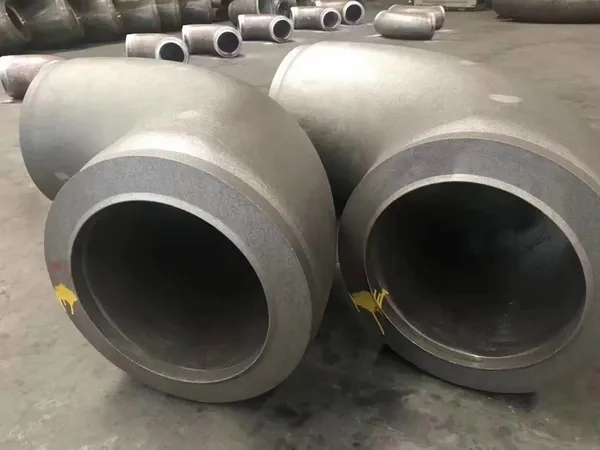
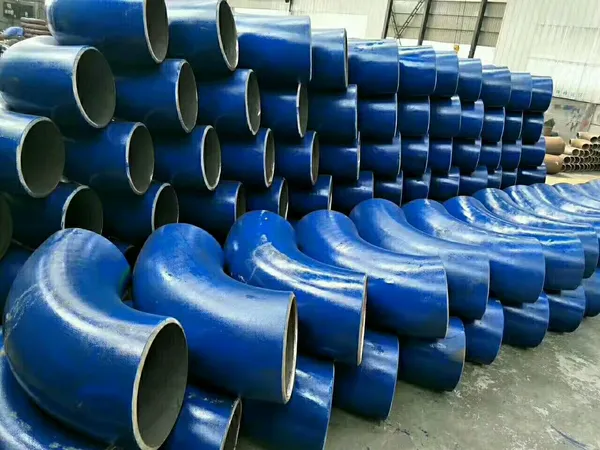
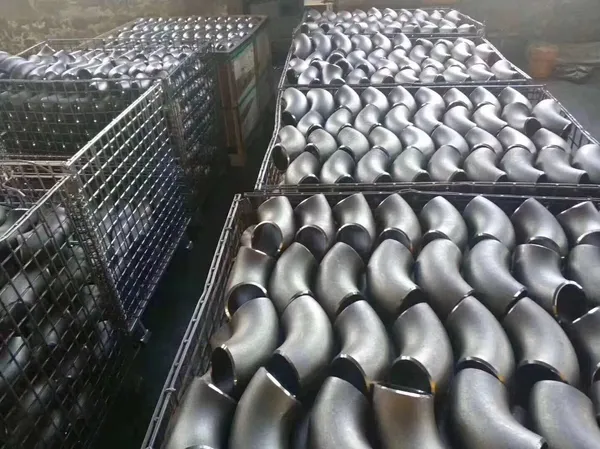
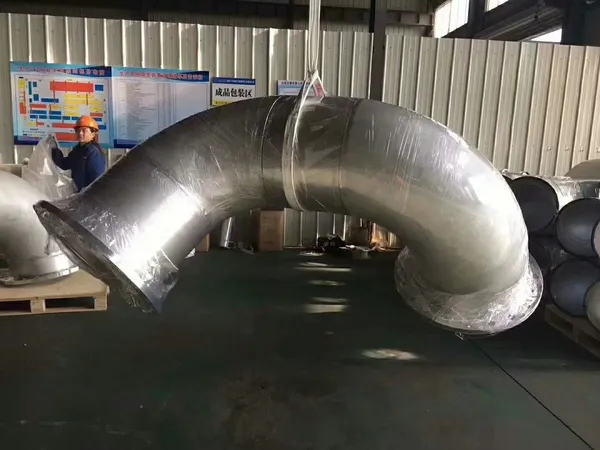
High-temperature steel elbows are specialized pipe fittings, often stainless steel (like 316 SS) or specific alloy steels (ASTM A234 WP91, WP22), designed for extreme heat and corrosive environments in industries like power, chemical, and petrochemical, offering strength, corrosion resistance, and durability where standard carbon steel fails, connecting pipes and changing flow direction reliably under thermal stress.
High-temperature steel elbows are specialized pipe fittings designed to maintain structural integrity and resist oxidation at elevated temperatures. The selection of an elbow depends on the specific temperature range, pressure requirements, and environmental conditions of the application.
Material Classifications & Temperature Limits:
Carbon Steel (ASTM A234 WPB/WPC): Commonly used for moderate temperatures up to ~400°C (750°F). While some grades can handle up to 650°C, they are typically limited to prevent long-term creep and oxidation.
Alloy Steel (ASTM A234 WP11, WP22, WP91): Specifically engineered for high-heat service.
WP11/WP22: Chrome-moly steels suitable for steam lines and power plants.
WP91: Handles extreme temperatures up to ~650°C (1202°F) with high creep strength.
Stainless Steel (ASTM A403/A182):
Standard (304/316): Effective up to 870°C (1600°F).
High-Temp Specialty (310S/347): Can withstand temperatures up to 1200°C (2192°F) for specialized industrial furnace or exhaust applications.
Heat-Resisting Steels: Contain high chromium/nickel for exceptional performance in extreme heat.Nickel Alloys (Inconel, Incoloy): Used for specialized furnace applications where temperatures exceed 1200°C or involve high sulfur environments.
Manufacturing & Connection Types:
Butt Weld Elbows: The most reliable for high-temperature and high-pressure service because the welded joint provides a seamless flow path and minimizes leak points.
Forged Fittings (ASTM A105/A182): Often used for smaller diameter pipes where high strength is required under thermal stress.
Seamless vs. Welded: Seamless elbows are generally preferred for extreme heat to avoid potential weak points in longitudinal weld seams.
Key Design Standards:
ASME B16.9: Covers factory-made wrought butt-welding fittings, including dimensions and tolerances for elbows ranging from 1/2″ to 48″.
ASTM A234: The standard specification for carbon and alloy steel pipe fittings intended for moderate and high-temperature service.
ASTM A182: For forged or rolled alloy and stainless steel pipe fittings for high-temperature service.
Angle: Standard elbows are available in 45°, 90°, and 180° bends.
Radius:
Long Radius (LR): Curvature is 1.5x the nominal pipe diameter; preferred for reducing friction and pressure drop in high-velocity steam lines.
Short Radius (SR): Curvature is 1x the nominal diameter; used in compact industrial spaces.
Common Applications:
Power Generation: High-pressure steam lines and boiler systems.
Petrochemical: Refining processes involving heated crude and chemical reactions.
Exhaust Systems: Industrial furnace vents and engine manifolds.